
Ball pit ball lab test results
Our ball pit balls were tested by an accredited third-party laboratory to ASTM F963-23 and CPSIA. Lead measured under 10 ppm against a 100 ppm limit, all 8 regulated heavy metals under 10 ppm, all 9 regulated phthalates under 50 ppm against a 1,000 ppm limit, and every color tested passed flammability.
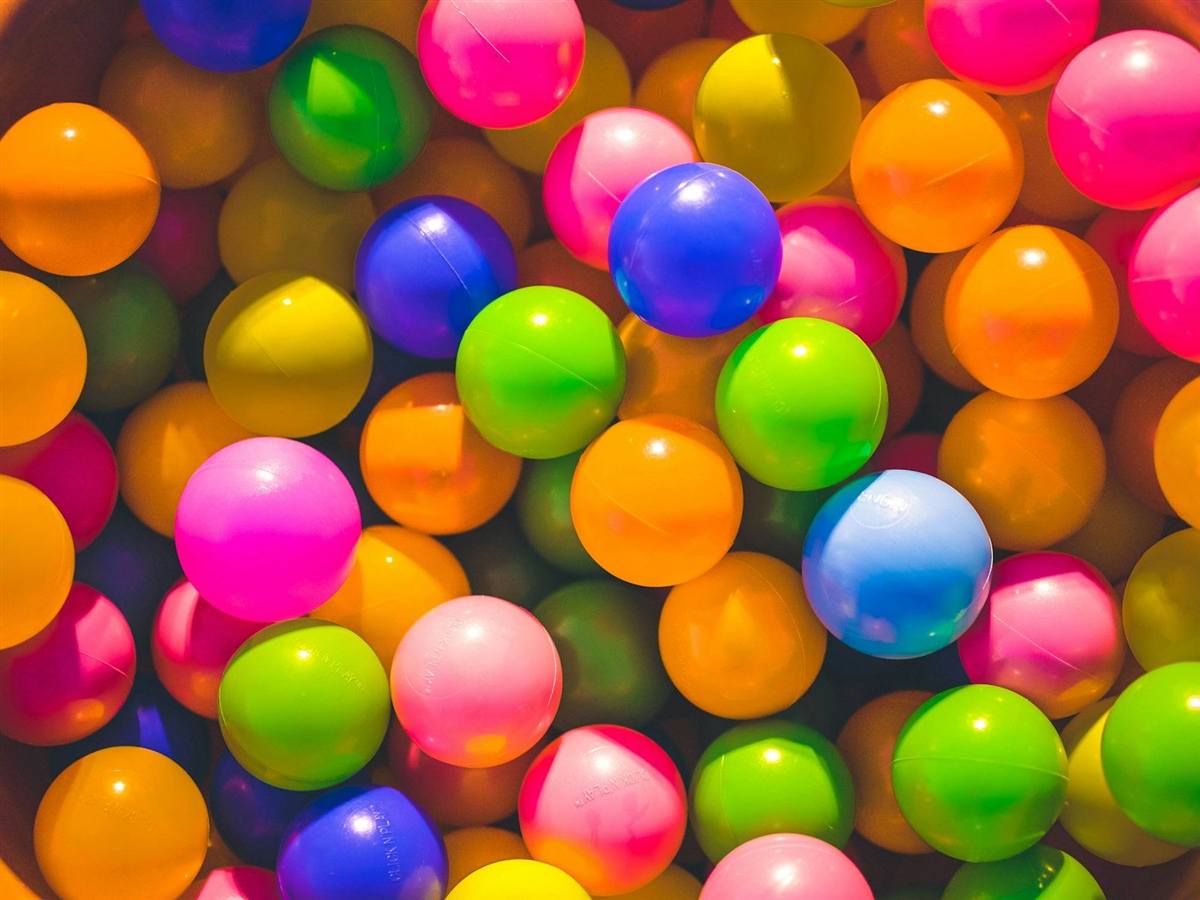
Summary
What was tested and the result
Test period December 2025 to January 2026. 156 samples of plastic ball pit balls, country of origin US, tested for age grade 3+.
| Test | Standard | Result |
|---|---|---|
| Total lead in substrate | CPSIA Section 101, ASTM F963 4.3.5.2, California Prop 65 | Pass, under 10 ppm (limit 100 ppm) |
| Soluble heavy metals (8 elements) | ASTM F963-23 Section 8.3.1 | Pass, all under 10 ppm |
| Phthalates (9 regulated) | CPSIA Section 108, 16 CFR 1307, ASTM F963 4.3.8, Prop 65 | Pass, all under 50 ppm (limit 1,000 ppm) |
| Flammability | ASTM F963-23 Annex A5 (16 CFR 1500.44) | Pass, 13 colors self-extinguished |
| Use and abuse: impact, torque, tension, compression | FHSA 16 CFR 1500.53, ASTM F963 Section 8 | Balls passed: no sharp edges or points |
Heavy metals
Soluble elements, ASTM F963-23 Section 8.3.1
White balls tested individually; 12 colors tested as composites, with the lab's 80% safety factor applied to composite limits. Every result was below the lab's reporting limit.
| Element | Result | Limit |
|---|---|---|
| Lead (Pb) | <10 ppm | 90 ppm |
| Cadmium (Cd) | <10 ppm | 75 ppm |
| Arsenic (As) | <10 ppm | 25 ppm |
| Mercury (Hg) | <10 ppm | 60 ppm |
| Chromium (Cr) | <10 ppm | 60 ppm |
| Antimony (Sb) | <10 ppm | 60 ppm |
| Selenium (Se) | <10 ppm | 500 ppm |
| Barium (Ba) | <10 ppm | 1,000 ppm |
Phthalates
Phthalates, CPSIA Section 108 and 16 CFR 1307
Every regulated phthalate measured below 50 ppm, one-twentieth of the 1,000 ppm (0.1%) limit, in white balls and in all composite color groups.
| Phthalate | Result | Limit |
|---|---|---|
| DEHP | <50 ppm | 1,000 ppm |
| DBP | <50 ppm | 1,000 ppm |
| BBP | <50 ppm | 1,000 ppm |
| DINP | <50 ppm | 1,000 ppm |
| DIBP | <50 ppm | 1,000 ppm |
| DPENP | <50 ppm | 1,000 ppm |
| DHEXP | <50 ppm | 1,000 ppm |
| DCHP | <50 ppm | 1,000 ppm |
| DIDP | <50 ppm | 1,000 ppm |
Flammability
Every color self-extinguished
Under ASTM F963-23 Annex A5, a material fails if it burns at more than 0.1 inch per second. Balls in 13 colors were tested, from white and pastels to brights. Each one ignited but went out on its own, with no measurable burn.
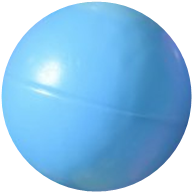
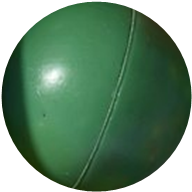
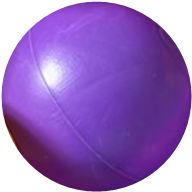
- Colors testedWhite, lavender, bright green, yellow, hot pink, red, light blue, purple, pastel pink, bright blue, mint green, pastel peach, bright orange.
- Mechanical checks on the ballMaterial quality, molded edges, sharp points and the use-and-abuse sequence (impact, torque, 15 lbf tension, 30 lbf compression) all passed.
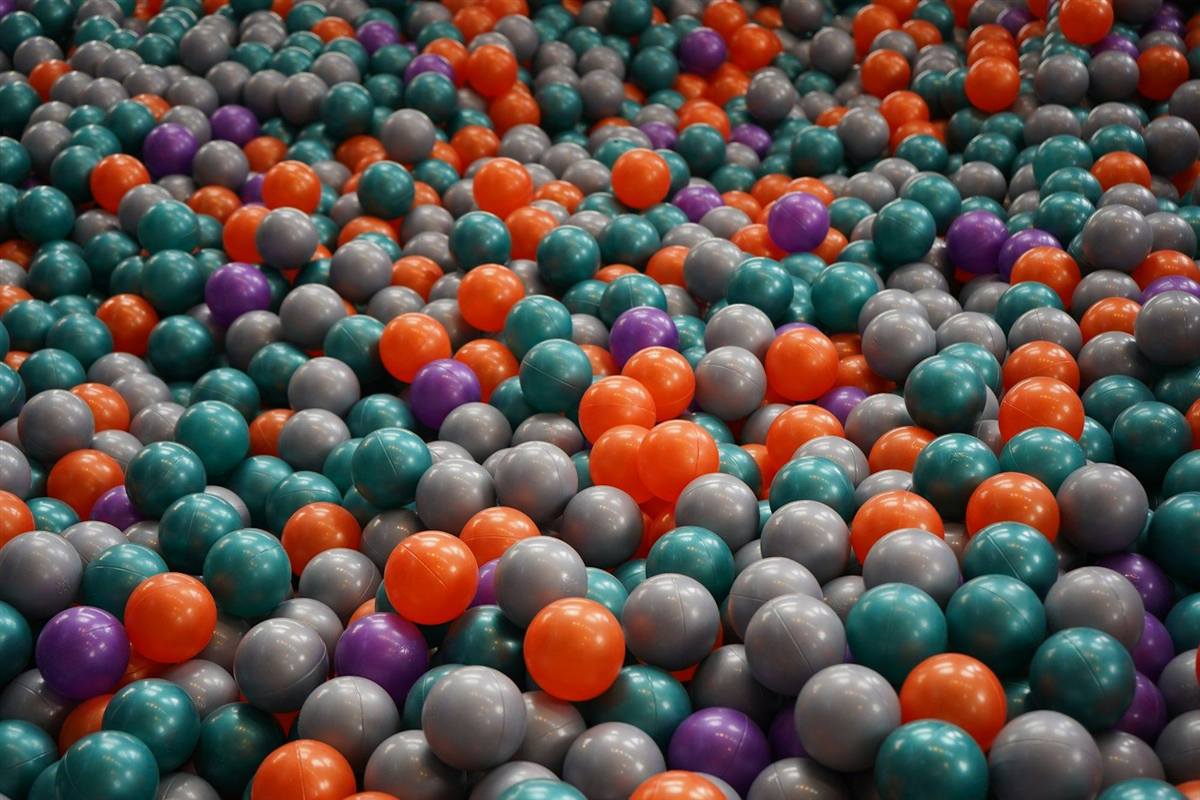
Lab test results — FAQ
Are your ball pit balls tested for lead?
Yes. Total lead measured under 10 ppm, the lab's reporting limit, against the CPSIA limit of 100 ppm.
Do your ball pit balls contain phthalates?
All 9 phthalates regulated under CPSIA and 16 CFR 1307 measured under 50 ppm, against a limit of 1,000 ppm.
Are ball pit balls flammable?
Ours passed the ASTM F963 flammability test in all 13 colors tested: each sample ignited but extinguished itself.
Which standard were the balls tested to?
ASTM F963-23, the US toy safety standard, plus CPSIA lead and phthalate limits and California Proposition 65.
Can I get the full test report?
Yes. Ask for it in your quote request and the GES sales team will send the documentation for your purchasing or compliance file.
Wholesale pricing
Ready for a wholesale quote?
$0.085 per ball · MOQ 10,000 balls · Freight quoted to your destination by the GES sales team.